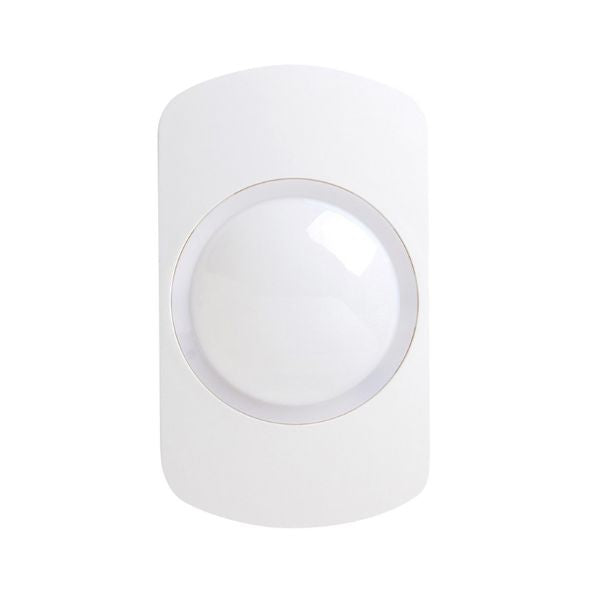
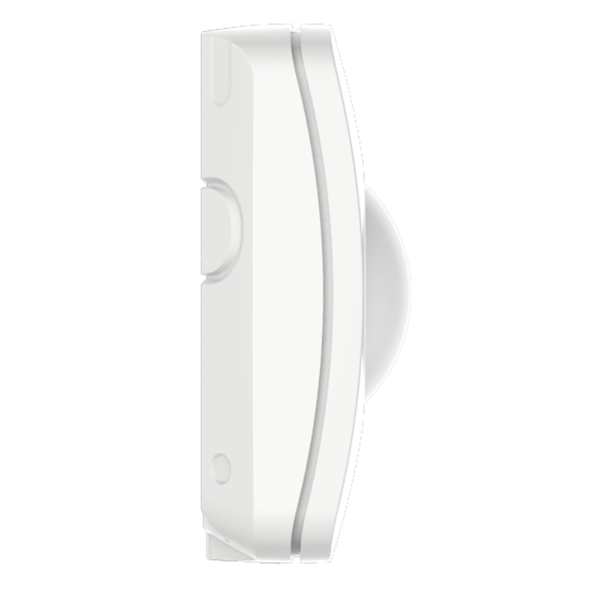
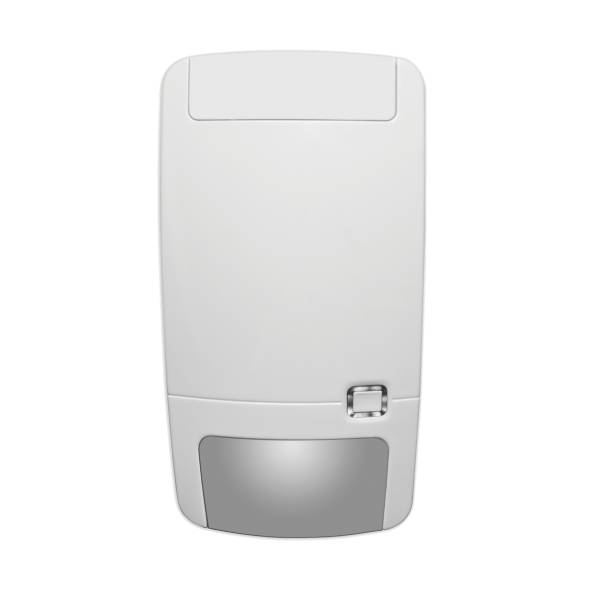
Compare Guardall, Optex and Reliance wireless detector options for compatible alarm installations. Select the appropriate coverage, connection type and pet-immunity specification for your property.
Compare the Current Detector Range
- Guardall GP15: Listed as a 15m pet-immune detector; check its exact installation conditions and pet rating.
- Optex FLX-S-ST-BKT: Wired PIR option listed with 12m wide / 18m coverage configuration and bracket.
- Reliance RF-EV1016-K4: 80 Plus Series two-way wireless detector.
- Reliance RF-EV1012PI-K4: 80 Plus Series pet-immune two-way wireless detector.
Confirm coverage, supplied accessories and compatibility in the individual listing before ordering.
Wired or Two-Way Wireless Detection
Wired detectors require suitable power, zone wiring and configuration. Wireless detectors require a compatible panel or receiver, correct enrolment and adequate radio signal strength.
Do not assume older Reliance and newer XR/XRPro systems support the same wireless devices. Confirm the exact panel, receiver and device model with your installer.
Browse the Reliance XR Series and XRPro packages for complete systems.
Pet-Immune Detector Selection
Choose a model specifically rated for pet immunity where animals will move through protected areas while the alarm is armed. Standard PIR models should not be assumed pet-friendly.
Pet suitability depends on the exact model and correct installation, including mounting position and access to furniture, stairs and raised surfaces. It does not guarantee every animal or movement pattern will be ignored.
Have your installer assess the household and confirm the manufacturer’s pet conditions before selecting a detector.
Coverage and Detector Placement
Match the detection pattern to room dimensions, entrances and the intended mounting position. Wide-area and longer-range configurations serve different layouts.
Obstructions, windows, heating and cooling sources and everyday movement should be considered when positioning detectors. Use a model specifically rated for the intended environment.
Your installer should configure the detection pattern where applicable and complete a walk test.
Replacing an Existing Detector
Identify the panel and old detector model before ordering. Check wiring, power, alarm and tamper connections, mounting requirements and any wireless protocol or receiver dependencies.
A replacement may require wiring or programming changes. Similar appearance or inclusion in a Reliance collection does not establish compatibility with every Reliance installation.
For broader system replacement, compare Hills Reliance upgrade kits.
Installation and Maintenance
A suitably qualified security technician should install and configure detectors, test coverage and confirm alarm and tamper operation. Wireless devices also require signal and battery checks.
Follow the model’s cleaning, battery and maintenance instructions. Check product-specific availability, supplied accessories and warranty terms before purchasing.
Need help selecting a detector? Call CTC Security on 1300 552 282 or browse the full Hills Reliance range.