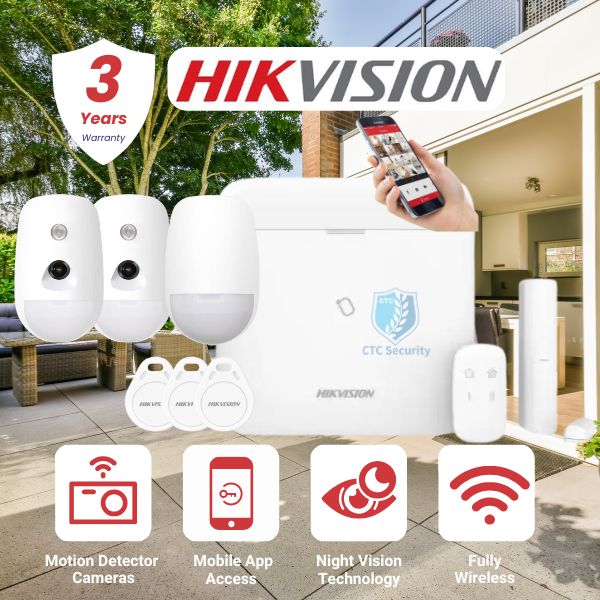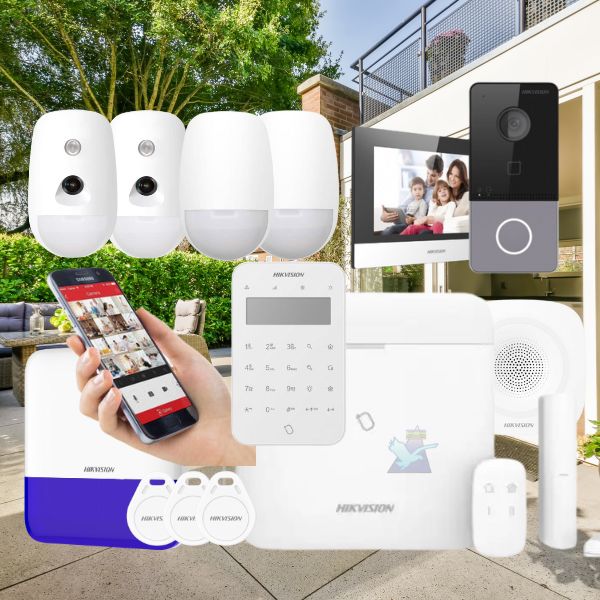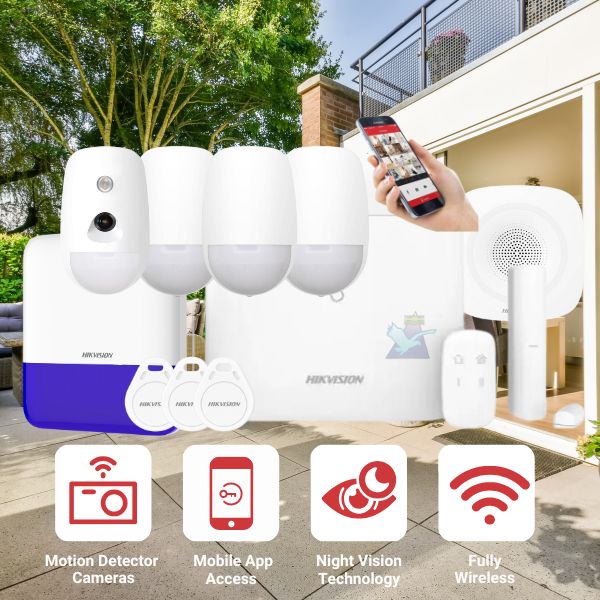
Wireless Alarm Systems
One of the first decisions many people have to make when choosing to install a home alarm system is whether to opt for a wired or wireless solution.
The truth is that there is no universal answer – every home and family is different and will have unique needs and requirements that their security solution needs to meet.
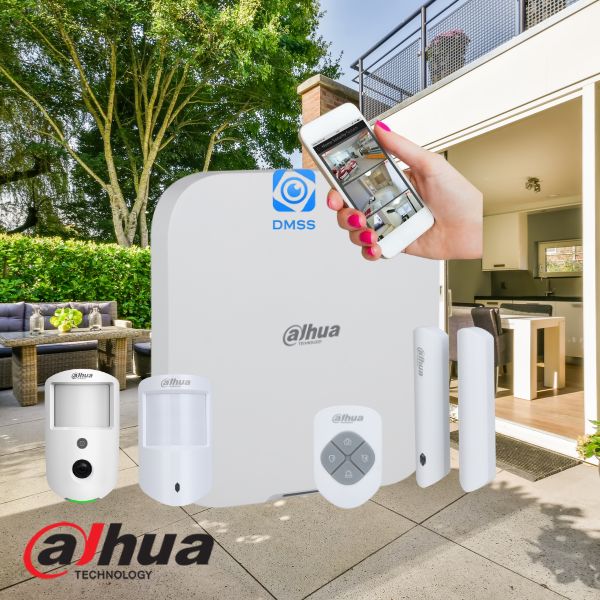
Wireless alarm systems are popular because they are less invasive to install, easier to expand, and ideal for properties where cabling is difficult or restricted – such as two-storey homes, townhouses and rental properties.
For the best outcome, it’s always a good idea to talk to a trained professional who understands the ins and outs of home security before making a decision.
Bosch Wireless Alarm Options
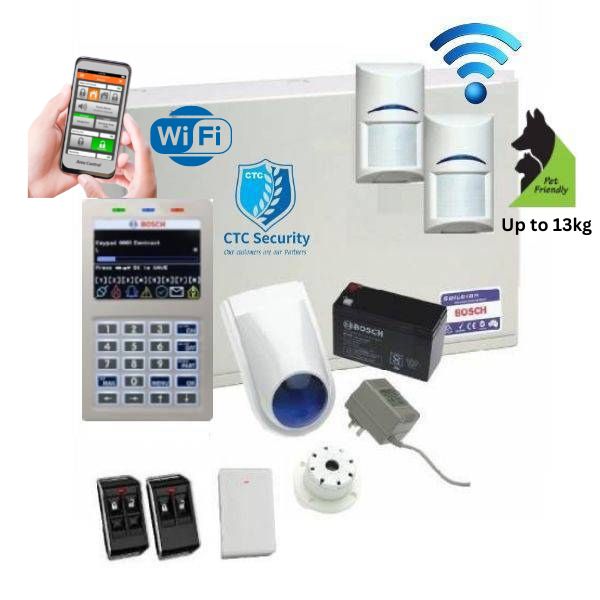
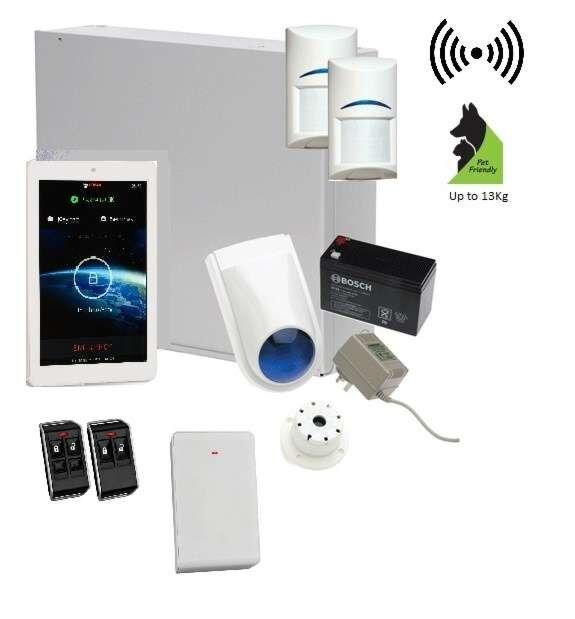
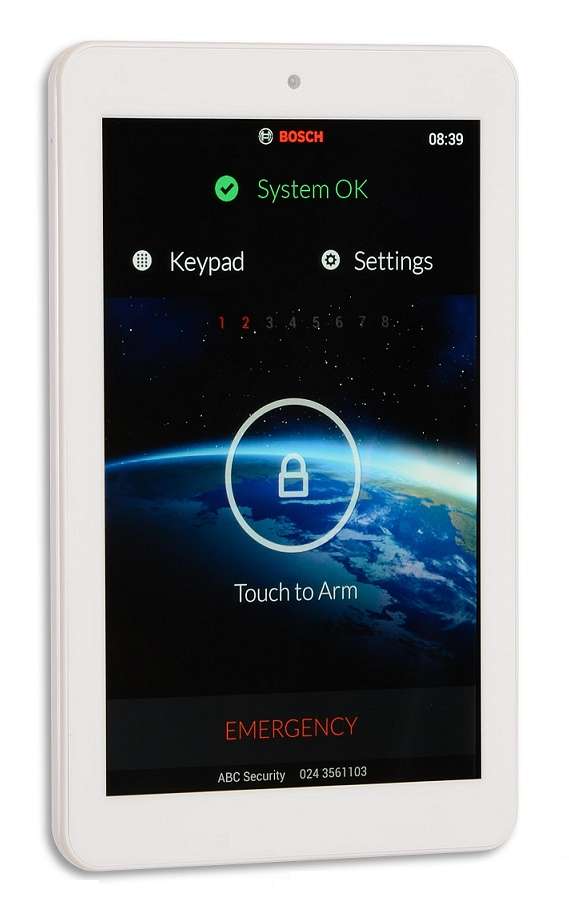
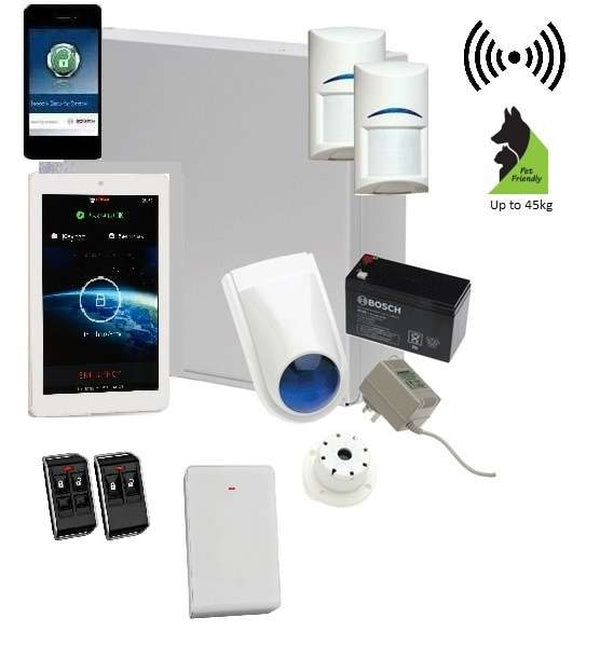
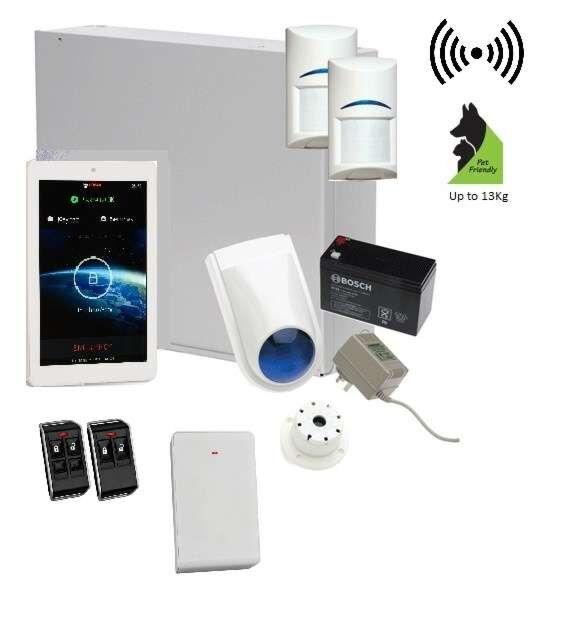
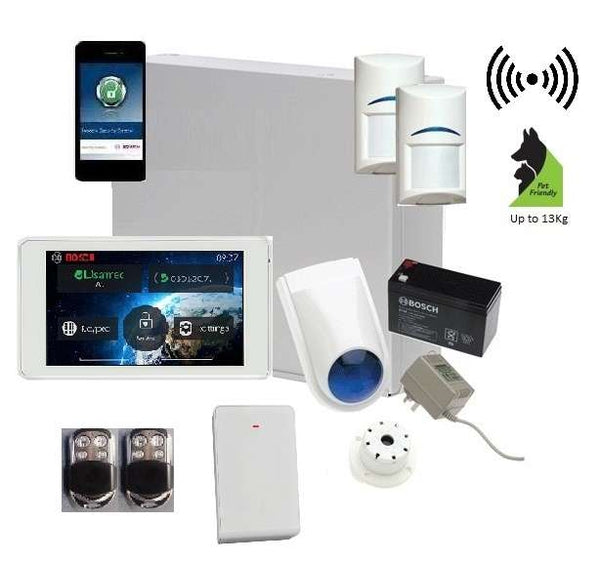
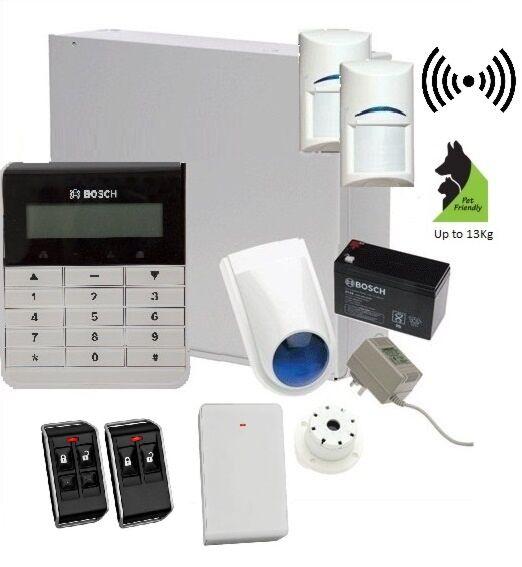
Bosch alarm systems offer wireless detectors and wireless reed switches, making them an excellent solution for two-storey homes where running cables downstairs is very difficult.
These systems still use wired components for the main control panel and sirens, but allow you to wirelessly protect:
- Downstairs living areas
- Garages and sheds
- Rooms where cabling would be difficult
- Doors and windows using wireless reeds
Bosch alarm systems allow a combination of both wired and wireless devices, giving installers and homeowners maximum flexibility when upgrading older systems or dealing with tricky building layouts.
- Bosch security alarms offer wireless detectors, reed switches and glass breaks as wireless options.
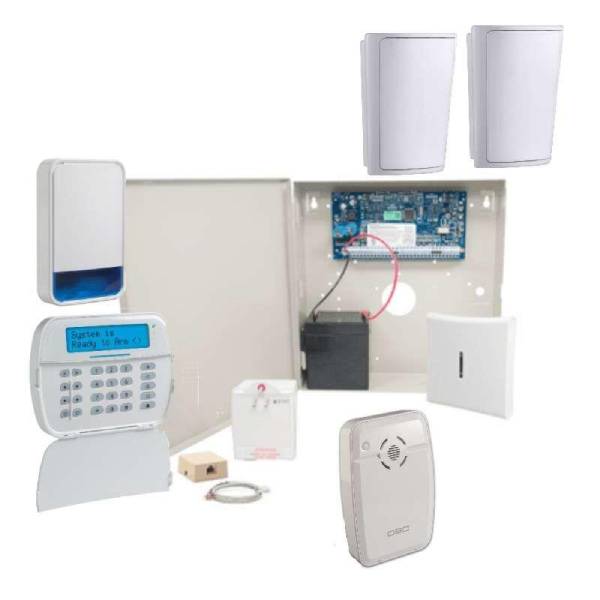
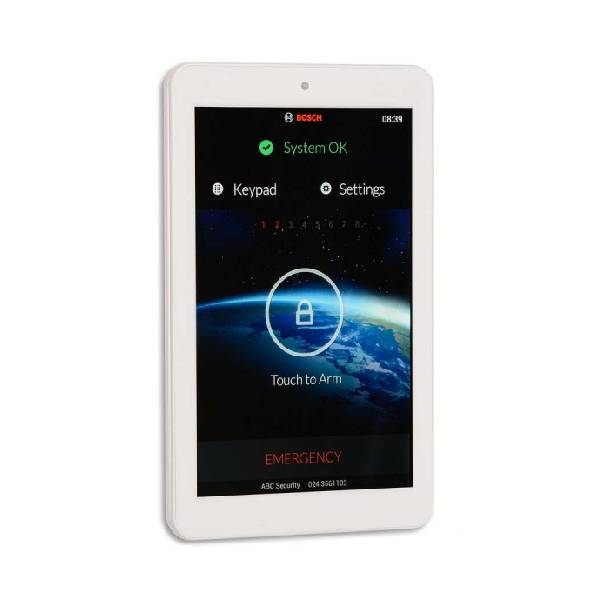
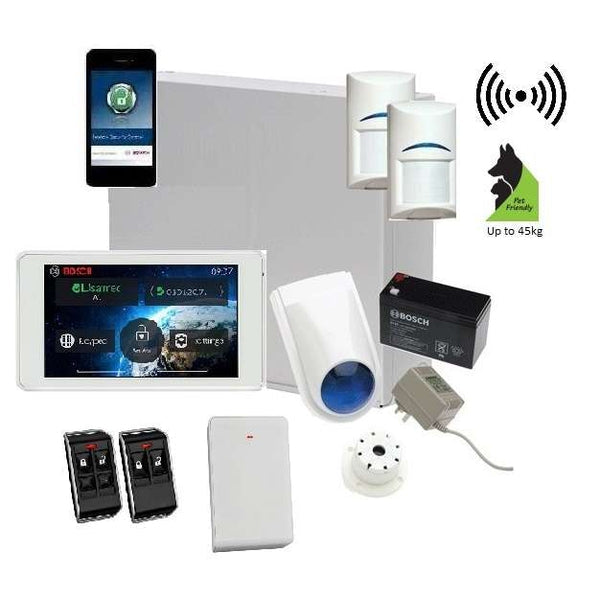
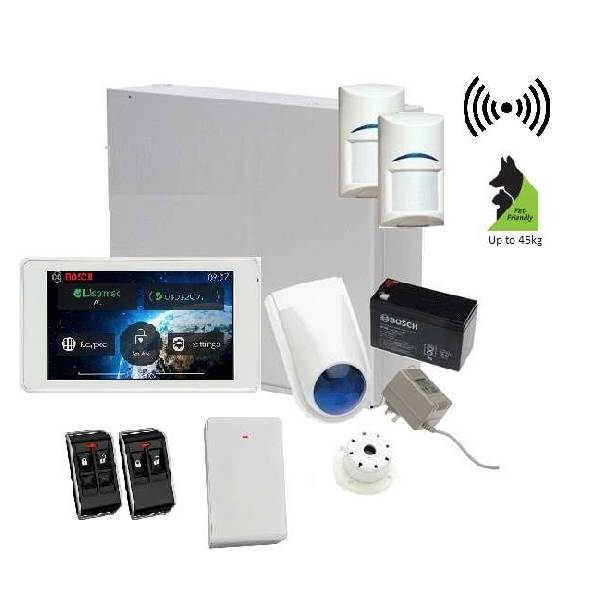
You can browse dedicated Bosch wireless alarm kits here: Wireless alarm systems.
Why Wireless Alarms Are Ideal for Renters
Wireless alarm systems are particularly attractive for renters who may not be authorised to make major renovations, such as drilling through walls and ceilings for cables.
Because wireless alarms require far less invasive installation, they offer:
- Minimal impact on walls and ceilings
- No need for extensive cabling
- Faster installation times
Another important consideration is whether you might be moving in the future. Wireless alarm systems are much easier to uninstall and transport to your new home, making them a great choice if you’re not planning on staying in one place for a long time.
Installation & Battery Maintenance
One of the main advantages of wireless alarm systems is that they generally require less labour to install. There’s no need to run cables through walls and ceiling cavities, which can significantly reduce installation time and cost.
However, wireless alarm systems are more dependent on battery power. This means:
- You’ll need to check batteries periodically
- Low-battery alerts should be acted on promptly
- Good quality batteries are recommended
The good news is that batteries in quality wireless alarm systems usually don’t need to be changed too often – often around once every six months or longer – so it’s not something to be overly concerned about.
Wired vs Wireless – Which Is Best?
Both wired and wireless alarm systems have their own advantages and disadvantages, and the best choice depends on your property and priorities.
Benefits of Wireless Alarm Systems
- Less invasive installation
- Ideal for renters and two-storey homes
- Easier to expand or relocate
- Lower labour costs for installation
Benefits of Wired Alarm Systems
- No batteries required for wired detectors
- Excellent long-term reliability
- Ideal for new builds or major renovations where cabling is easy to run
For many homes, a hybrid approach using both wired and wireless devices (as supported by Bosch systems) provides the best of both worlds.
Talk to a licensed security technician to design the right mix of wired and wireless devices for your home and budget—so your security system keeps your home and family safe for years to come.